7 Truths About Grip Socks: Do They Actually Work?

Last Updated: November 3, 2026
Quick Summary
Grip socks do work, but within limits: the textured silicone sole increases friction between your foot and the surface, reducing slipping on smooth studio floors, mats and Reformers. They are best understood as a slip reducer rather than a performance enhancer, since they do not make you stronger, faster or more flexible.
- Grip socks work on two fronts: the sole grips the surface and a close fit holds your foot inside the sock.
- Research on grip socks is thin and findings are mixed, with one study reporting faster slalom times and another finding no improvement.
- A loose sock lets your foot slide on direction changes, so fit matters more than grip pattern.
- Test your grip socks at home by standing on one leg for 30 seconds on a smooth floor, then repeating in regular socks.
- Wash grip socks cool at 30°C or lower, turn them inside out, skip fabric softener and never tumble dry.
Table of Contents
- 1. What Grip Socks Are And How They Work
- 2. The Evidence: Do Grip Socks Actually Improve Traction?
- 3. Grip Socks Vs Regular Socks: The Real Difference
- 4. The Benefits Of Grip Socks For Stability And Balance
- 5. How Grip Socks Reduce Foot Movement Inside Footwear
- 6. How To Test Your Grip Socks At Home
- 7. Why Your Grip Socks Still Slip: Limitations And Causes
- 8. The Best Grip Socks For Pilates: What To Look For
- 9. How To Wash Grip Socks So The Grip Lasts
- Choosing Your First Pair Of Grip Socks
- Frequently Asked Questions
1. What Grip Socks Are And How They Work
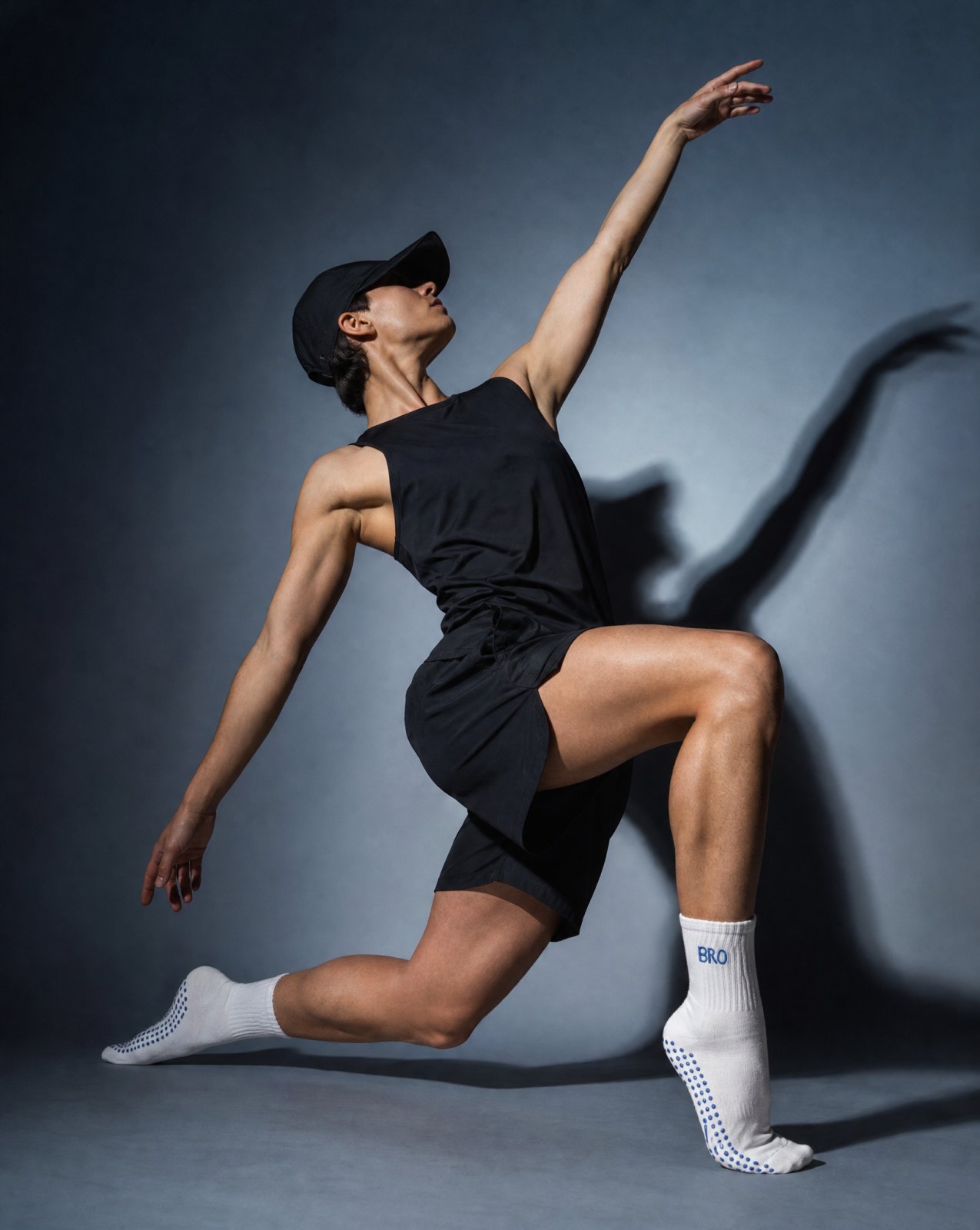
Grip socks are socks with a textured sole, usually silicone dots or a full-sole pattern, that increase friction between your foot and the surface beneath it. They work on two fronts: the grip holds the floor or the Reformer carriage, and a closer fit holds your foot inside the sock.
A full-sole silicone grip covers the ball, heel and arch. A cotton, nylon and spandex blend keeps the sock close without pinching. No prints, no gendered colourways, no fuss.
So do grip socks actually work? Yes, within limits. They reduce slipping between foot and surface. They do not make you stronger, faster or more flexible.
2. The Evidence: Do Grip Socks Actually Improve Traction?
Here is the honest answer: the research is thin, and anyone who tells you otherwise is selling something.
A 2022 study on grip socks and in-shoe foot motion examined whether grip socks reduce movement inside the shoe and improve change-of-direction performance in team-sport players. Reviews of the wider evidence, such as Empulse's summary of grip sock research, note that findings are mixed. One study reported faster slalom times; another found no improvement at all.
That mixed picture tells you something useful. Grip socks are best understood as a slip reducer rather than a performance enhancer.
3. Grip Socks Vs Regular Socks: The Real Difference
Regular socks are built for warmth and moisture. Grip socks are built for traction.
| Feature | Regular Socks | Grip Socks |
|---|---|---|
| Sole | Smooth knit | Silicone dots or full-sole grip |
| Foot movement inside sock | Can slide | Held closer to the foot |
| Best surface | Inside shoes and boots | Studio floors, mats, Reformers, gym floors |
| Main job | Warmth, moisture, comfort | Slip prevention and stability |
The difference matters most when you are barefoot or in a studio. On a polished floor or a Reformer carriage, a smooth sole gives you nothing to push against. Grip changes that.
4. The Benefits Of Grip Socks For Stability And Balance
Stability is where grip socks earn their place. On a Reformer, your feet press into a moving carriage. On a mat, your hands and feet anchor every pose. When the surface under you is slick, your body spends effort stopping the slide instead of holding the position.
The main benefit of grip socks is reduced foot sliding on smooth surfaces, which keeps the foot where it is placed during footwork.
5. How Grip Socks Reduce Foot Movement Inside Footwear
Most grip sock marketing talks about the floor. The bigger win is inside the sock.
A loose sock lets your foot slide forward on direction changes, which bunches fabric at the toes and rolls at the heel. A close-fitting sock with engineered stretch holds the foot where it should sit. Add interior grip and the foot stays put inside the sock itself, not just on the surface below.
This is why fit matters more than grip pattern. A sock that gaps at the heel will slip no matter how much silicone is on the sole. For deeper troubleshooting on how to stop socks slipping, our guide covers the causes and fixes beyond this overview.
Ankle Pilates Grip Socks | Non-Slip, Full Sole | Reforman →
6. How To Test Your Grip Socks At Home
You can settle the question in about two minutes, without a lab.
Try this simple test:
- Put on your grip socks on a smooth floor.
- Stand on one leg and hold for 30 seconds.
- Repeat in regular socks.
- Push gently sideways with your planted foot and note any slide.
- Repeat on a mat, then on tile.
If the grip sock holds and the regular sock slides, they are doing their job. If both feel identical, the surface or the fit is the issue, not the grip.
7. Why Your Grip Socks Still Slip: Limitations And Causes
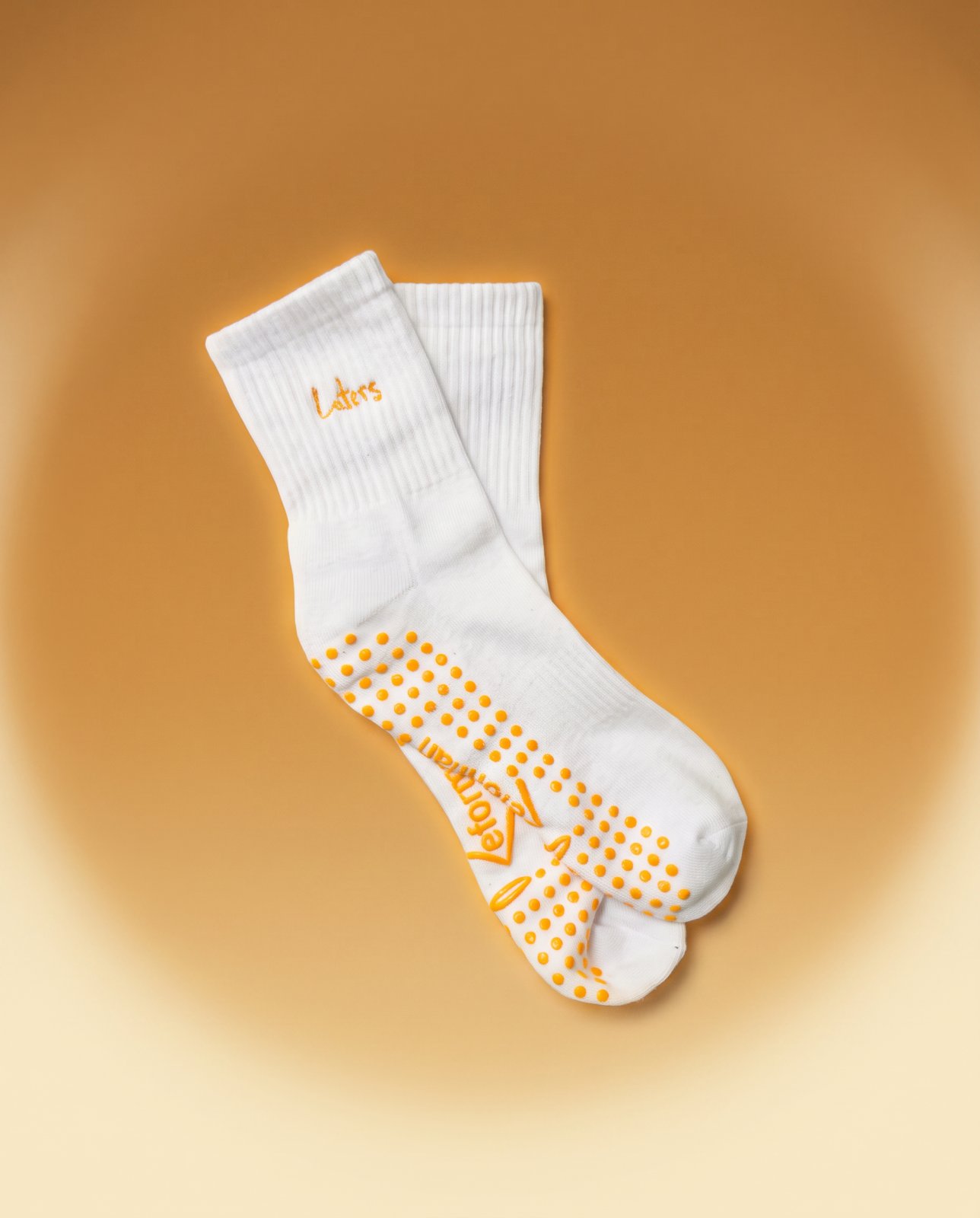
Grip socks are not magic, and sometimes they fail. The usual culprits:
- Wrong size. A sock that is too big slides regardless of grip.
- Worn silicone. Grip dots flatten and lose bite over time. Our guide to the signs grip socks lose effectiveness explains what to watch for and how care affects longevity.
- Wet or sweaty feet. Moisture sits between foot and sock.
- The wrong surface. Some floors are simply slick.
- A shoe that already fits. If your footwear is snug and your foot does not move, grip socks add little.
As one video breakdown of when grip socks help puts it, there is no point wearing them if ordinary socks already stop the slip and your foot fills the shoe. That is a fair rule of thumb.
8. The Best Grip Socks For Pilates: What To Look For
The best grip socks for Pilates share a few traits: full-sole grip, a close stretchy fit and durable silicone.
Our Classic Pilates Grip Socks are built to that brief: full-foot silicone grip, a breathable cotton, nylon and spandex blend, and a clean gender-neutral look that works from the Reformer to the gym floor. They fit EU 39-44, and the ankle-cut version covers EU 38-46.

9. How To Wash Grip Socks So The Grip Lasts
How you wash grip socks decides how long they grip. Silicone hates heat, and it hates a hot tumble dryer most of all.
- Wash cool, at 30°C or lower
- Turn them inside out to protect the grip
- Skip fabric softener, which coats the silicone
- Air dry flat, away from radiators
- Never tumble dry
Choosing Your First Pair Of Grip Socks
The question is not whether grip socks work. It is whether they solve your problem. If your feet slide on the Reformer, bunch at the toes or roll at the heel, a well-fitted grip sock with a full sole is a practical fix. For a closer look at non slip socks for gym workouts, our buyer's guide covers where they help and what to check before buying. If your shoes already hold your feet firm, you need less than you think.
Start with one pair and test them the way we described above. Our Classic Pilates Grip Socks are the natural first pair: full-sole grip, a close engineered fit, and a clean look that works beyond the studio. If you want to compare options before you commit, our guide on how to choose Pilates grip socks walks through fit, materials and sizing.
Frequently Asked Questions
Do grip socks actually work for Pilates?
They work by increasing friction between your foot and the surface, which reduces slipping on the Reformer carriage, mat, or studio floor. Grip socks are designed to reduce slipping, which supports a more stable base for footwork and lunges. They are not a substitute for correct form, but they remove one common source of unwanted movement.
Are grip socks better than regular socks for Pilates?
For Reformer and mat work, yes, in most cases. Regular socks have a smooth sole that slides on leather, vinyl, and polished floors. Grip socks use a silicone pattern on the sole to create traction, so your foot stays where you place it.
How often should you replace Pilates grip socks?
Replace them when the silicone dots or pattern start to wear smooth, usually after consistent weekly use over many months.
Can you wear grip socks outside the studio?
You can, and many people do. A clean, full-sole grip design works on smooth floors at home and in the gym, . Keep one pair for training and one for casual wear if you want the grip to last. Reforman's socks are built for the Reformer, the gym, and everyday use, so they move between settings without fuss.
Slipping on the Reformer is a fit problem more often than a grip problem. Reforman builds gender-neutral grip socks with full-sole silicone, engineered stretch and a fit that holds from studio to street. Shop the collection and put the grip to the test.
